
Inflammatory Bowel Disease (Ulcerative Colitis & Crohn’s Disease)
Inflammatory Bowel Disease (IBD) is a group of chronic inflammatory conditions affecting the digestive tract, primarily including Ulcerative Colitis and Crohn's Disease. These conditions can cause persistent inflammation, abdominal pain, diarrhea, rectal bleeding, weight loss, fatigue, and nutritional deficiencies. Early diagnosis and appropriate treatment are essential to control inflammation, prevent complications, and improve quality of life. Dr. Vijay Rampally, Best IBD Doctor in Mahabubabad, provides comprehensive evaluation and personalized treatment for patients with inflammatory bowel diseases using the latest diagnostic and therapeutic approaches.
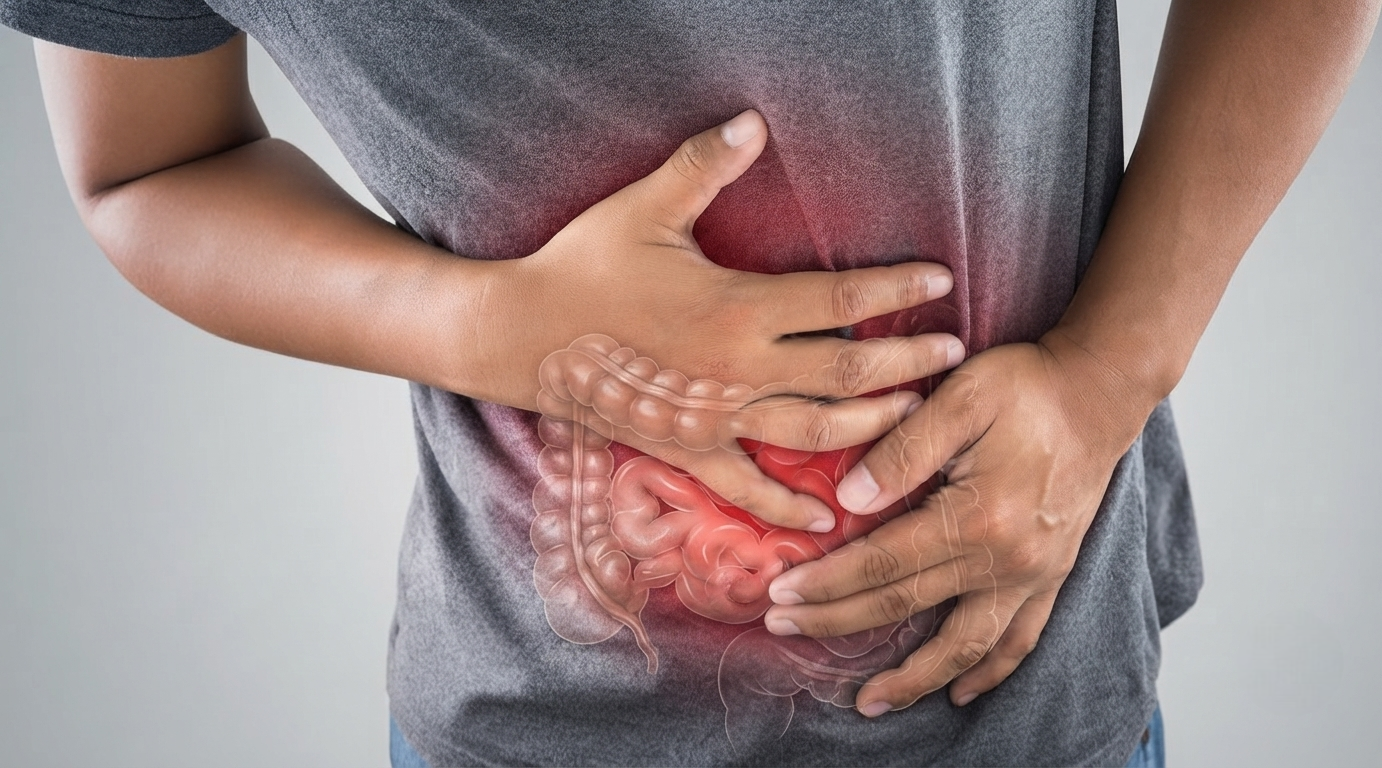
When Should You Consult an IBD Specialist?
Early medical evaluation helps control inflammation and prevent long-term complications. Dr. Vijay Rampally offers Advanced IBD Care in Khammam through individualized treatment plans, long-term disease monitoring, nutritional guidance, and evidence-based therapies tailored to each patient's needs.
Persistent diarrhea
Evaluates chronic bowel inflammation.
Blood in stools
Detects intestinal bleeding due to IBD.
Abdominal pain and cramps
Identifies inflammatory bowel conditions.
Unexplained weight loss
Assesses chronic digestive disorders.
Why Choose Dr. Vijay Rampally for IBD Care?
Dr. Vijay Rampally provides comprehensive care for Ulcerative Colitis and Crohn's Disease with a focus on accurate diagnosis, personalized treatment, long-term monitoring, and improved patient outcomes.
What is Inflammatory Bowel Disease (IBD)?
IBD is a group of chronic inflammatory conditions affecting the digestive tract, mainly including Ulcerative Colitis and Crohn's Disease.
What is the difference between Ulcerative Colitis and Crohn's Disease?
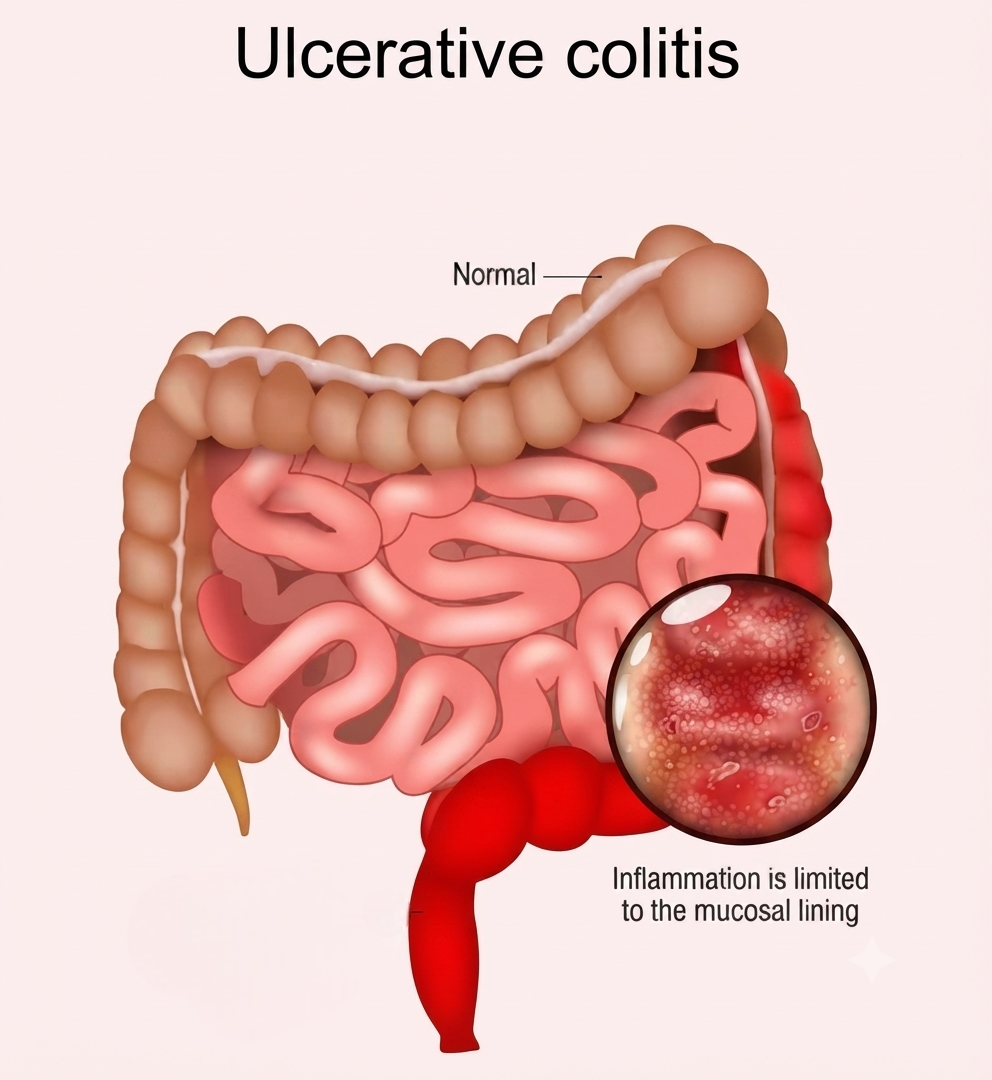
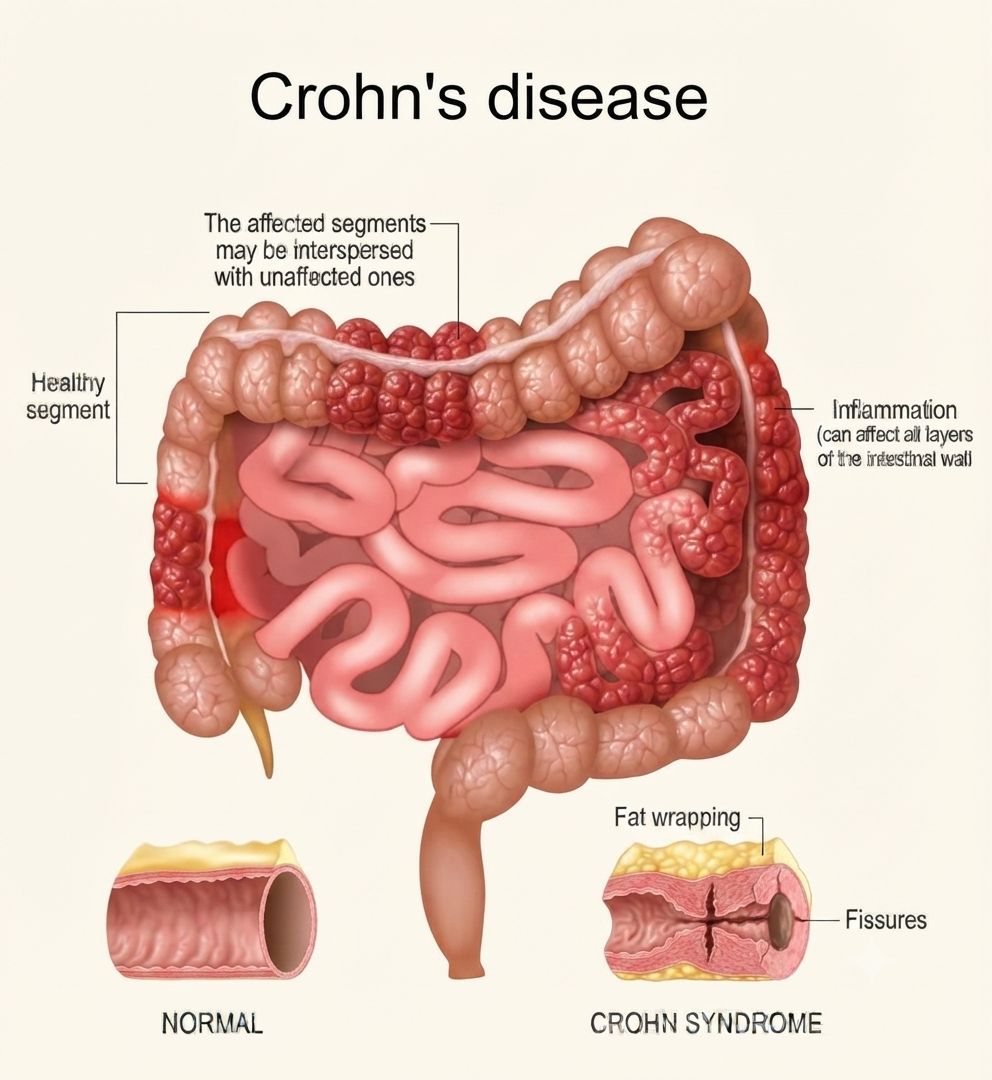
Ulcerative Colitis affects only the colon and rectum, while Crohn's Disease can affect any part of the digestive tract from the mouth to the anus.
What are the common symptoms of IBD?
Symptoms include persistent diarrhea, abdominal pain, rectal bleeding, weight loss, fatigue, fever, and frequent bowel movements.
How is IBD diagnosed?
Diagnosis involves colonoscopy, biopsy, blood tests, stool tests, CT or MRI imaging, and a detailed clinical evaluation.