
Gastrointestinal Bleeding Management
Gastrointestinal (GI) bleeding is a serious condition that can occur anywhere along the digestive tract, including the esophagus, stomach, small intestine, colon, rectum, or anus. Symptoms such as vomiting blood, black stools, blood in the stool, dizziness, or unexplained anemia require immediate medical attention. Early diagnosis and timely treatment are essential to prevent complications and ensure the best possible outcomes. Dr. Vijay Rampally, Best GI Bleeding Specialist in Khammam, specializes in diagnosing and treating upper and lower gastrointestinal bleeding using advanced endoscopic techniques and evidence-based care.
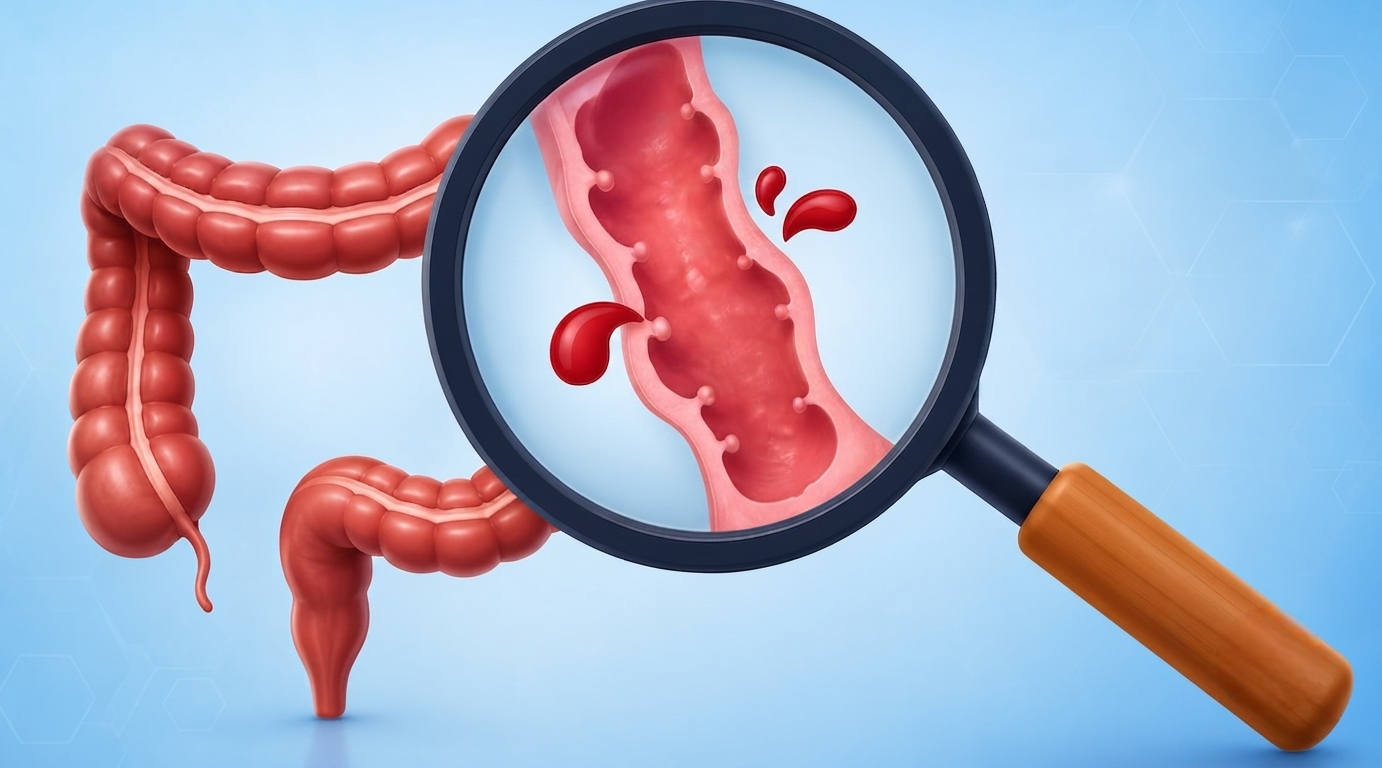
When Should You Seek Medical Attention?
Early diagnosis and treatment are essential to control gastrointestinal bleeding and prevent complications. Dr. Vijay Rampally provides advanced endoscopic care and personalized treatment plans, offering Best Digestive Tract Bleeding Treatment in Mahabubabad for patients with upper and lower gastrointestinal bleeding.
Vomiting blood
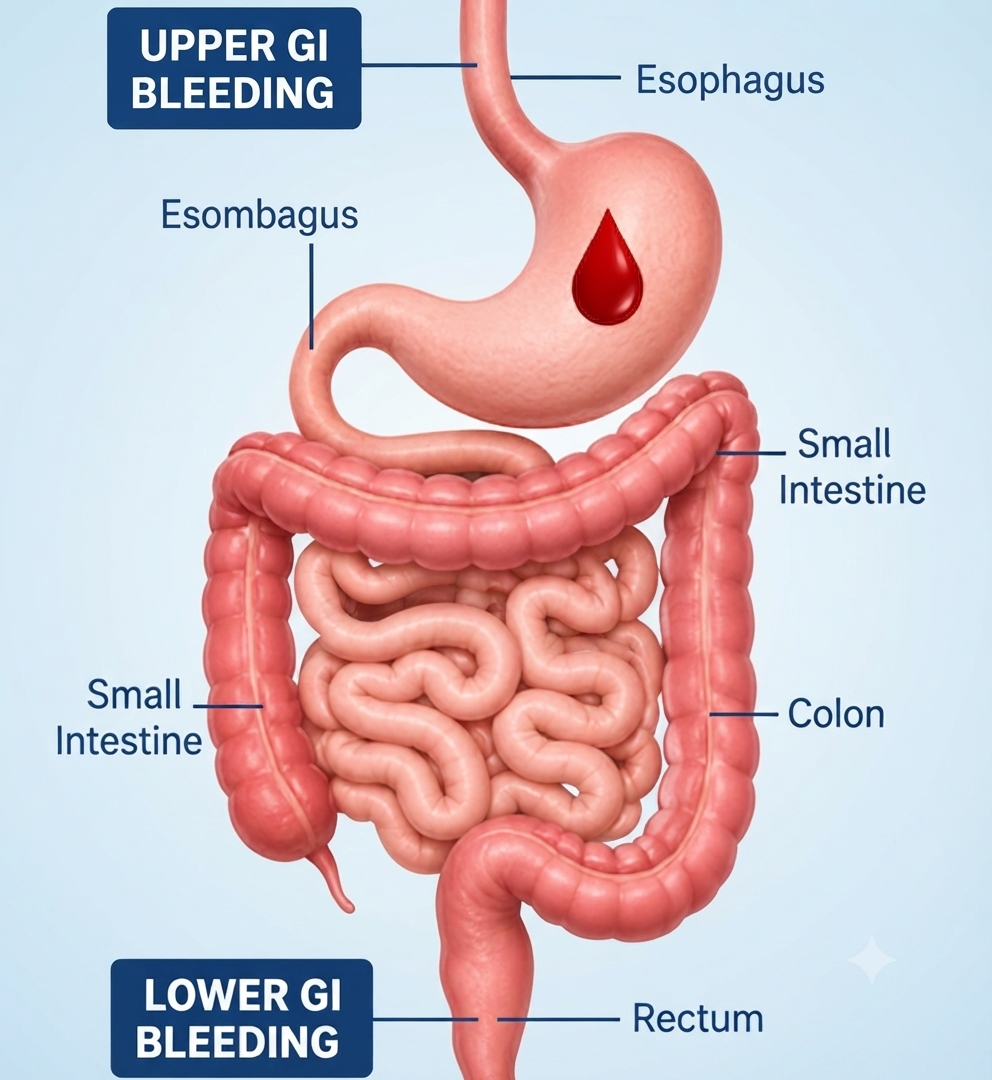
Indicates bleeding in the upper digestive tract.
Black tarry stools
Suggests upper gastrointestinal bleeding.
Blood in stools
May indicate lower gastrointestinal bleeding.
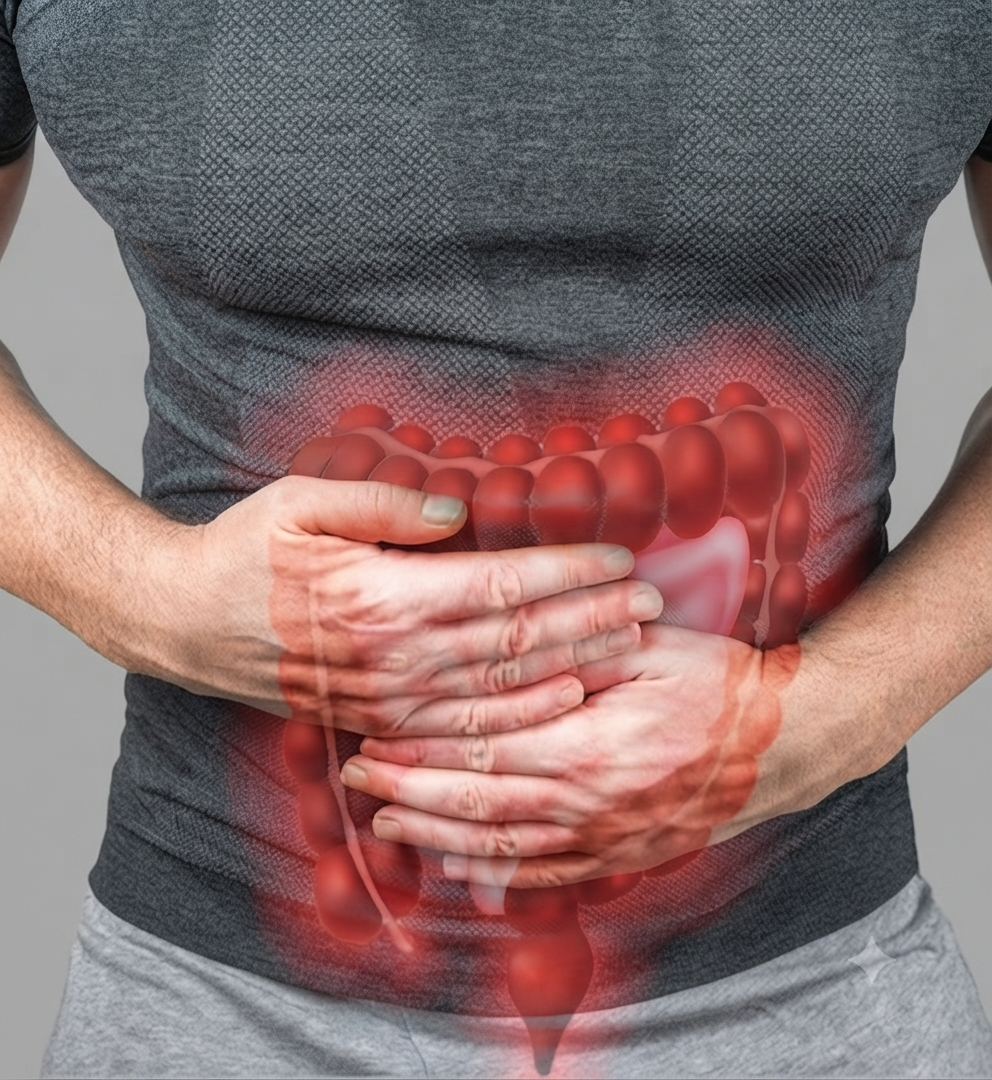
Persistent abdominal pain
Evaluates bleeding-related digestive disorders.
Why Choose an Experienced Gastroenterologist?
An experienced gastroenterologist ensures accurate diagnosis, prompt bleeding control, and comprehensive management of gastrointestinal bleeding.
What is gastrointestinal bleeding?
Gastrointestinal bleeding is bleeding that occurs anywhere along the digestive tract, from the esophagus to the rectum.
What are the symptoms of GI bleeding?
Symptoms may include vomiting blood, black tarry stools, blood in the stool, dizziness, weakness, abdominal pain, and anemia.
What causes gastrointestinal bleeding?
Common causes include stomach ulcers, gastritis, esophageal varices, colon polyps, inflammatory bowel disease, hemorrhoids, diverticular disease, and gastrointestinal cancers.
How is GI bleeding diagnosed?
Diagnosis may involve Upper GI Endoscopy, Colonoscopy, blood tests, capsule endoscopy, CT angiography, and other specialized investigations.