Gastrointestinal Cancer Screening and Early Detection
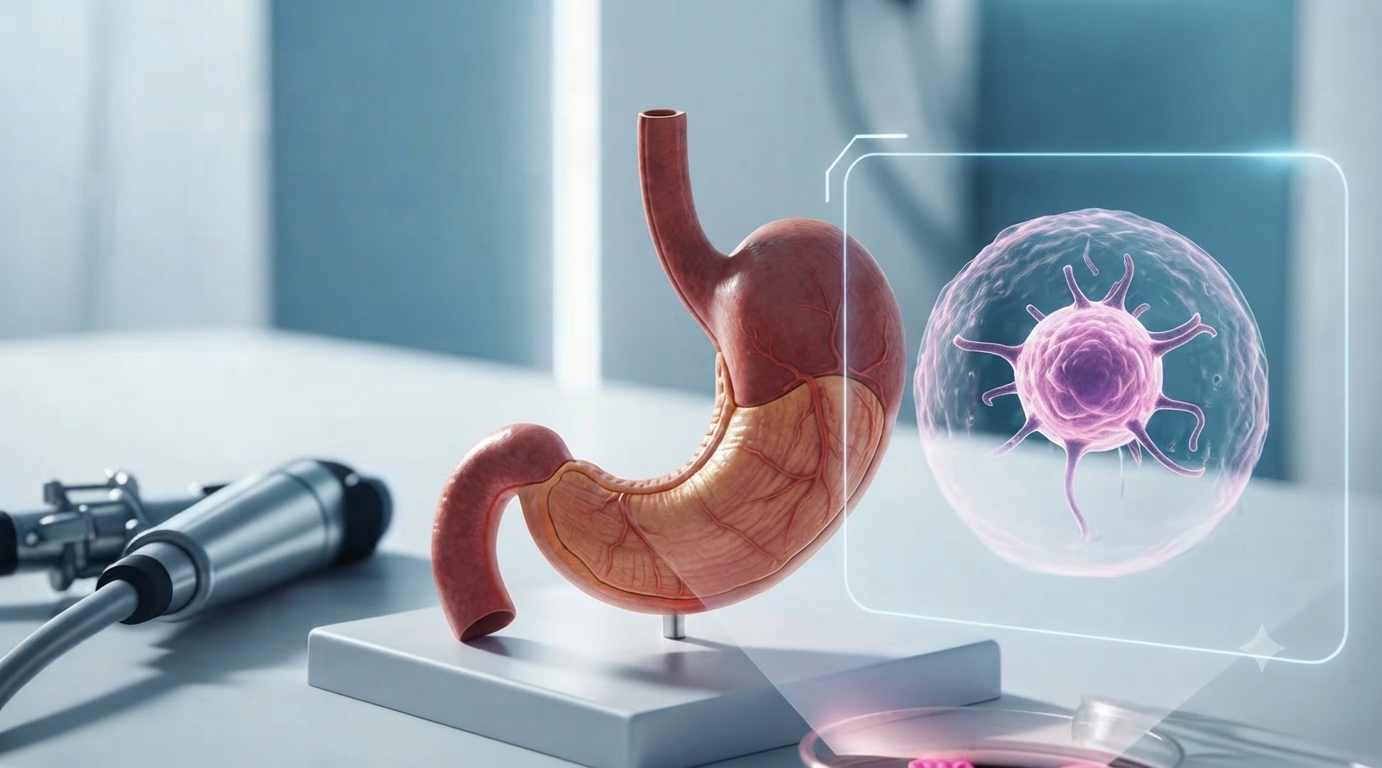
Gastrointestinal (GI) cancers can affect the esophagus, stomach, pancreas, liver, bile ducts, small intestine, colon, and rectum. Detecting these cancers at an early stage significantly improves the chances of successful treatment and better long-term outcomes. Regular screening is especially important for individuals with persistent digestive symptoms, a family history of gastrointestinal cancers, or other risk factors. Dr. Vijay Rampally, Best Gastrointestinal Cancer Specialist in Mahabubabad, provides comprehensive evaluation, advanced endoscopic screening, and early diagnosis of gastrointestinal cancers using modern diagnostic technologies.
Who Should Undergo GI Cancer Screening?
Early screening helps identify gastrointestinal cancers before symptoms become severe. Dr. Vijay Rampally offers Advanced GI Cancer Screening in Khammam, providing personalized screening programs, timely diagnosis, and appropriate referral for multidisciplinary cancer management to improve patient outcomes.
Persistent difficulty swallowing
Evaluates esophageal abnormalities.
Chronic acid reflux
Screens for Barrett's esophagus and esophageal cancer.
Persistent abdominal pain
Detects underlying gastrointestinal diseases.
Unexplained weight loss
Investigates possible digestive tract cancers.

Why Choose Dr. Vijay Rampally for GI Cancer Screening?
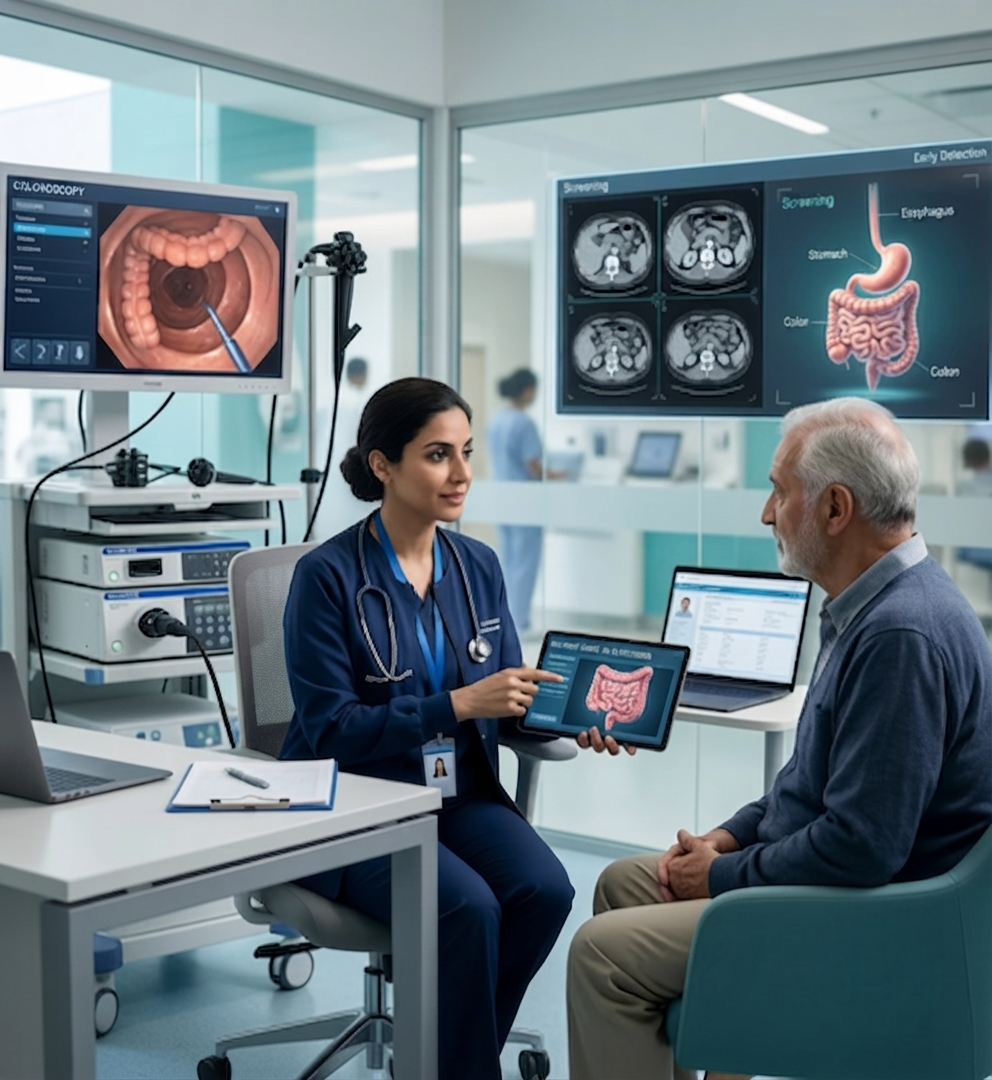
Dr. Vijay Rampally provides advanced gastrointestinal cancer screening using modern endoscopic techniques with a focus on early diagnosis, accurate evaluation, and timely treatment planning.
What is gastrointestinal cancer screening?
Gastrointestinal cancer screening involves tests that help detect cancers or precancerous conditions in the digestive tract before symptoms become advanced.
Who should undergo GI cancer screening?
People with persistent digestive symptoms, a family history of GI cancers, colon polyps, inflammatory bowel disease, or other risk factors should consider screening after consulting a gastroenterologist.
Which cancers can be detected through GI screening?
Screening can help detect cancers of the esophagus, stomach, pancreas, liver, bile ducts, colon, rectum, and other parts of the digestive system.
Which tests are used for GI cancer screening?
Common tests include Upper GI Endoscopy, Colonoscopy, Endoscopic Ultrasound (EUS), ERCP, biopsy, CT scan, MRI, and blood tests.